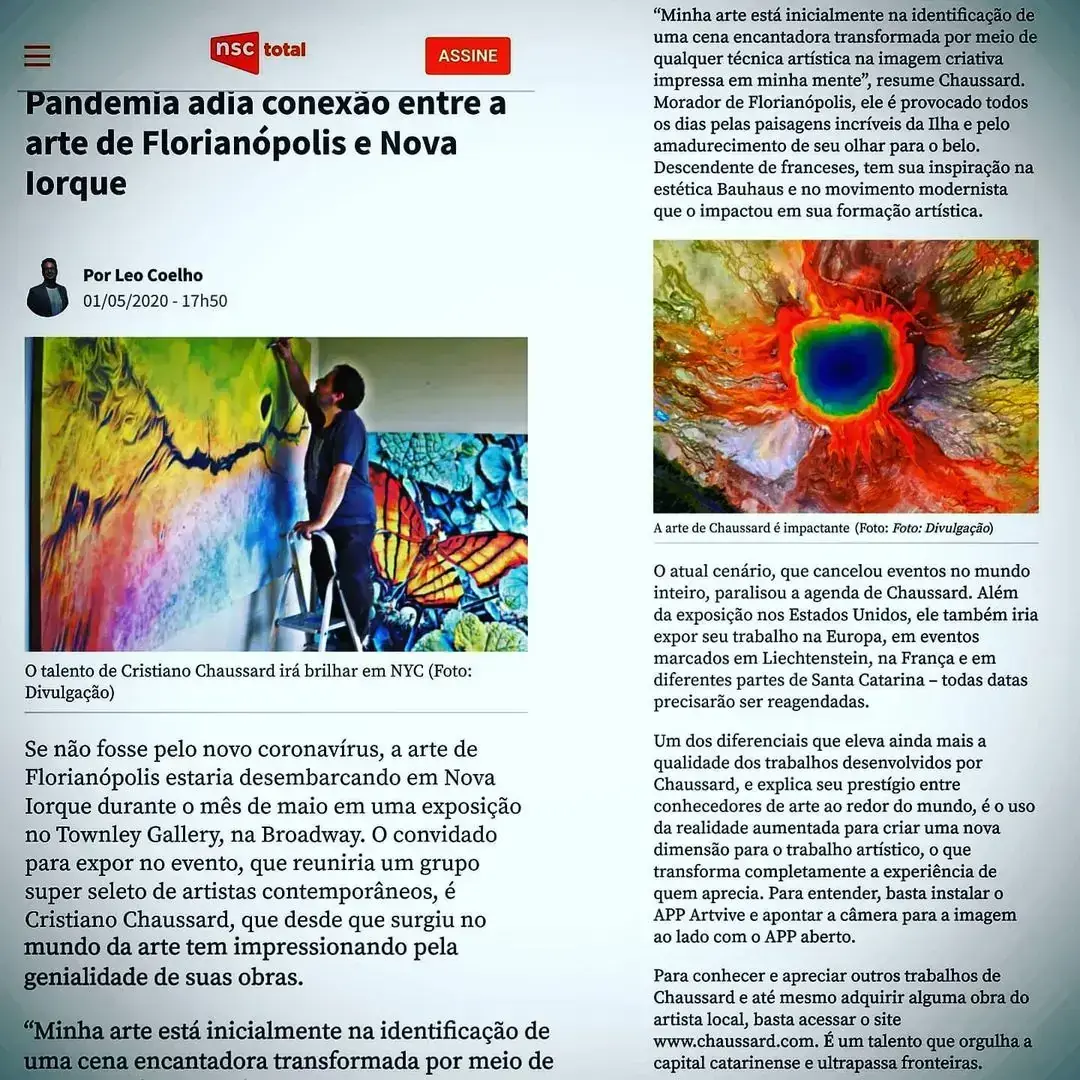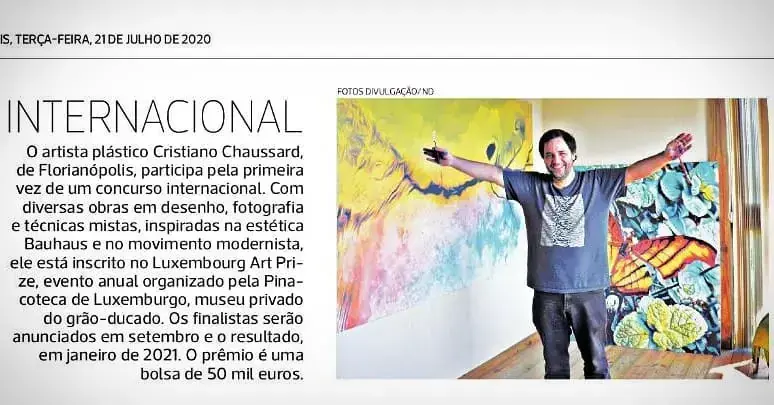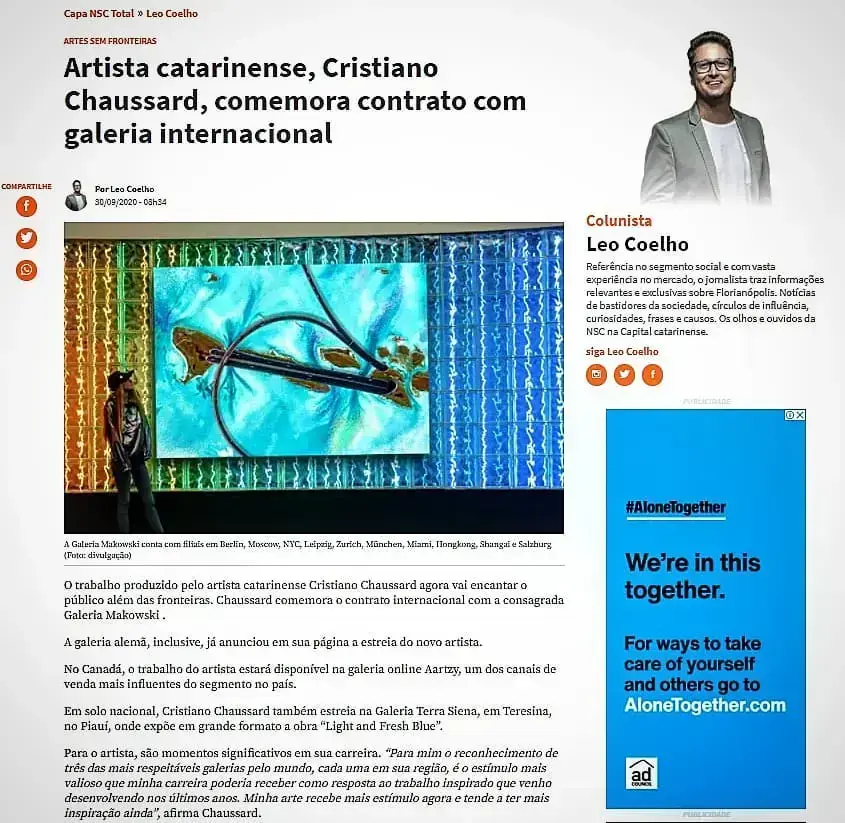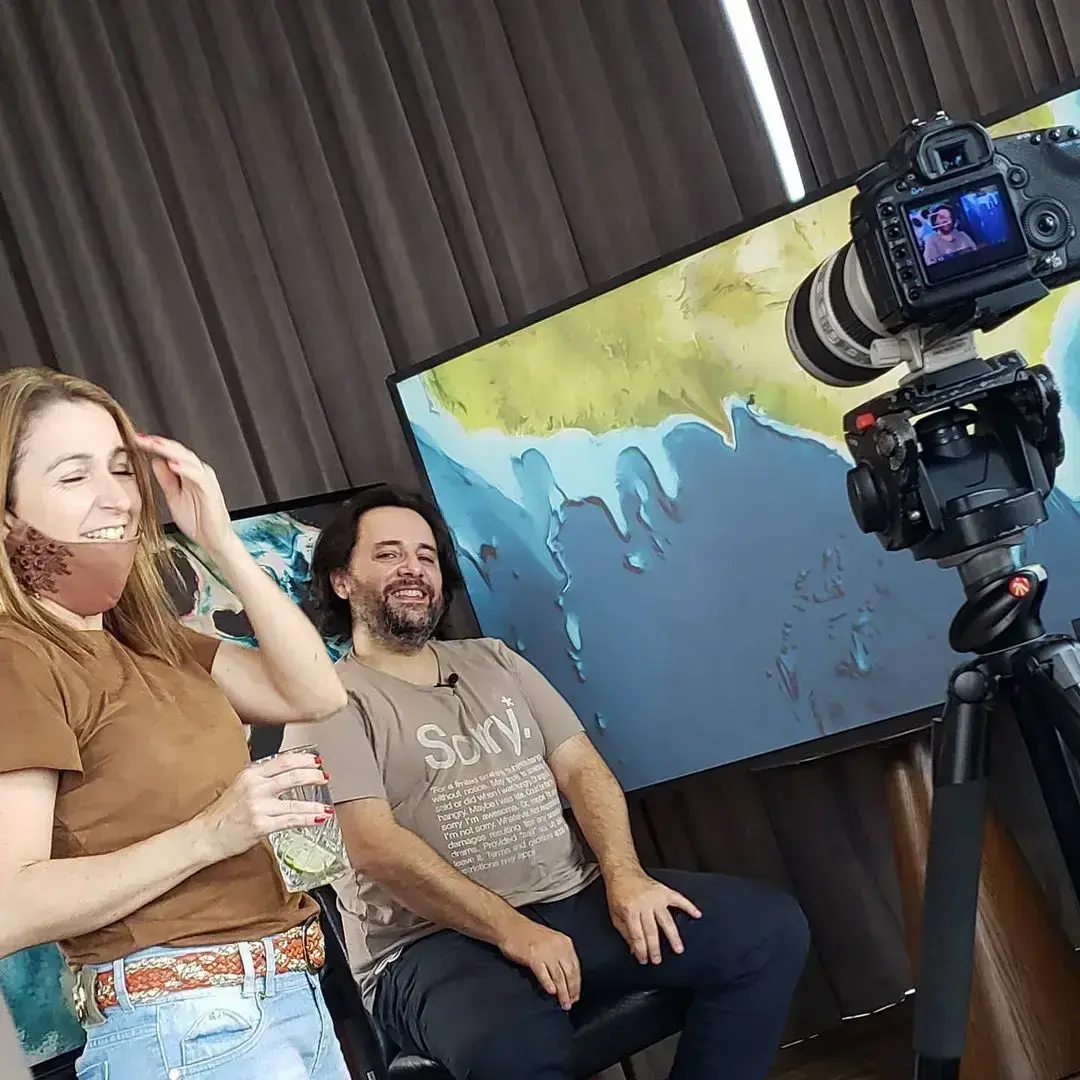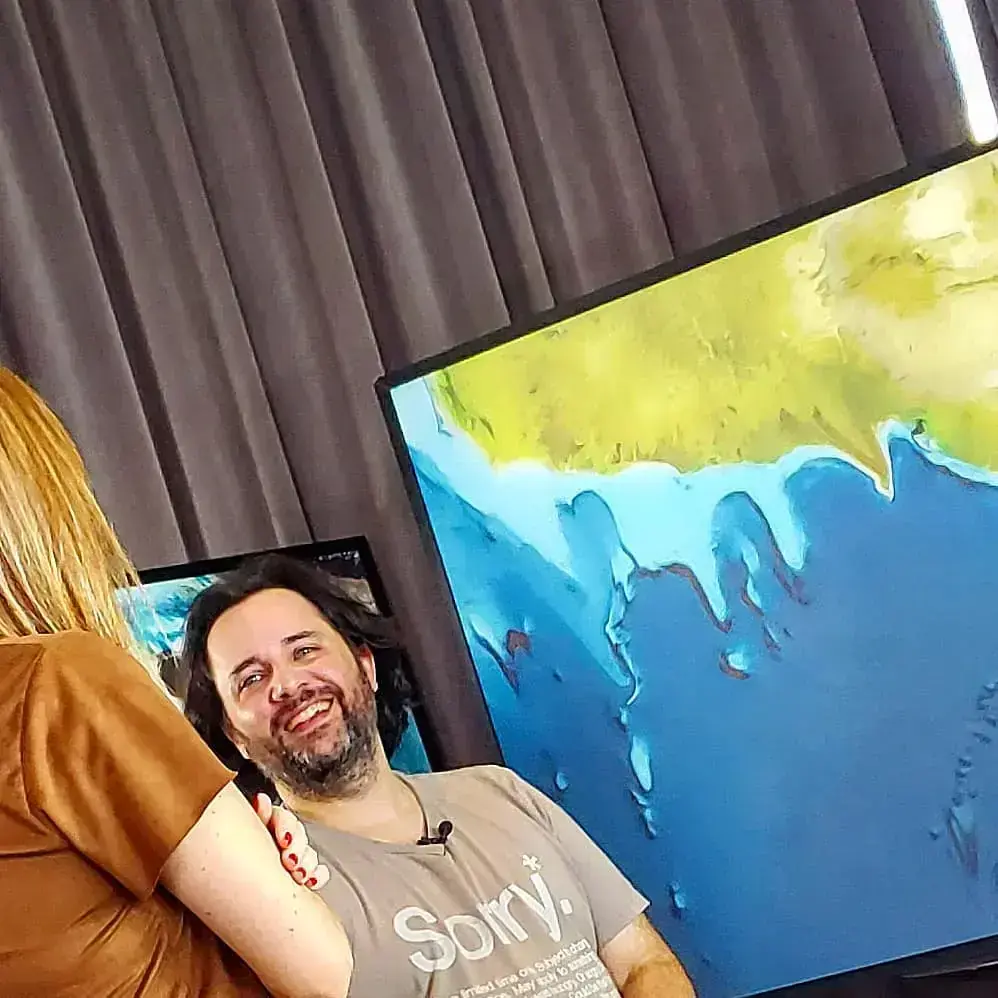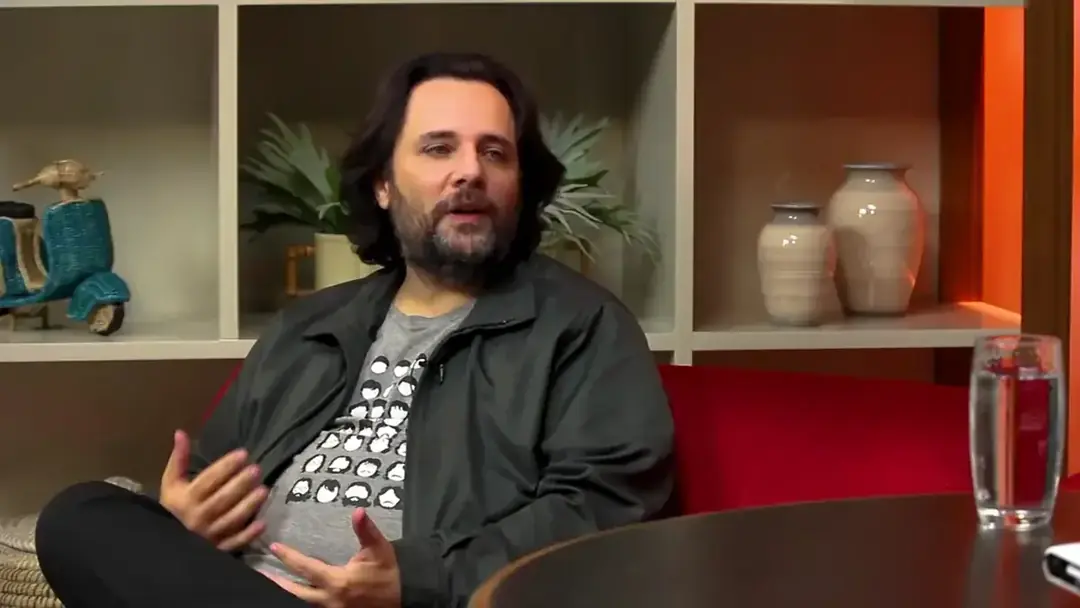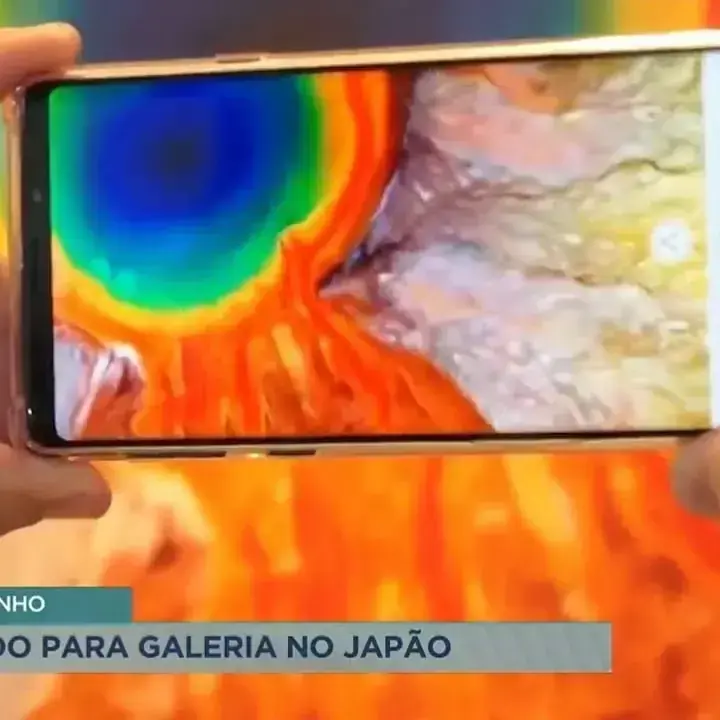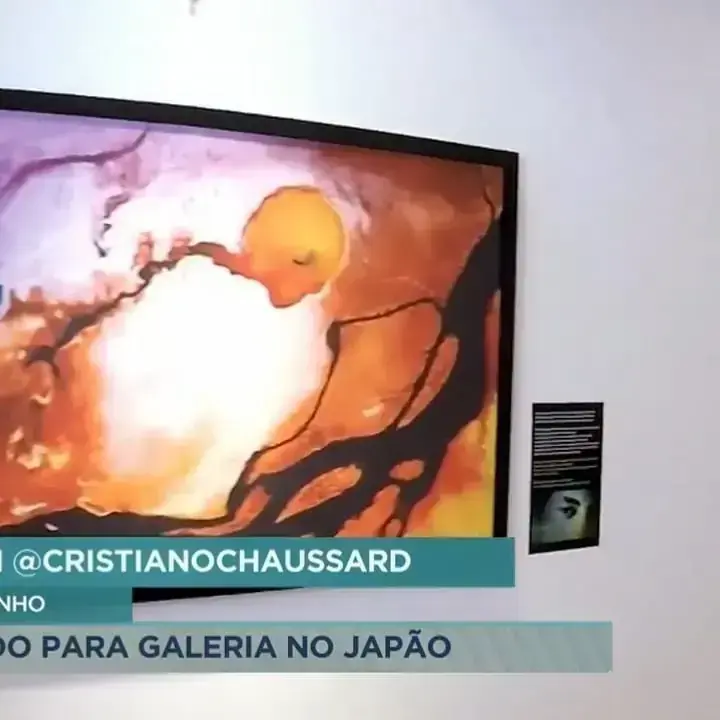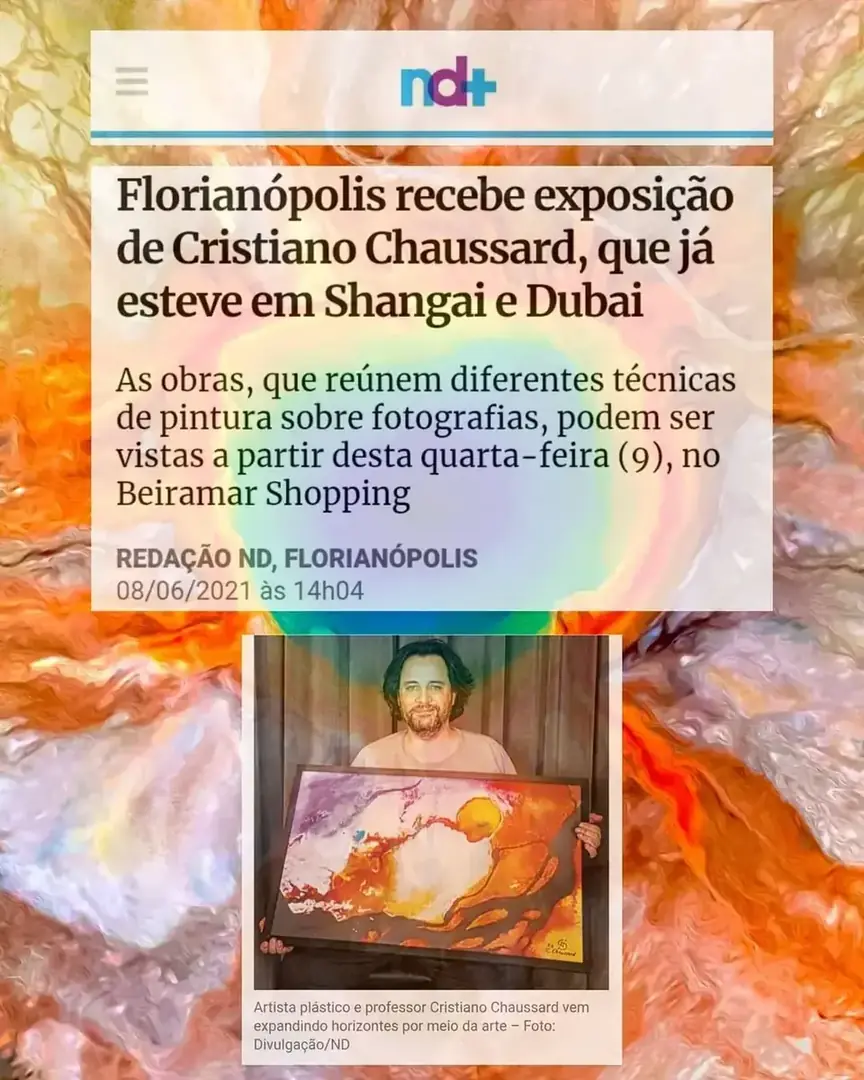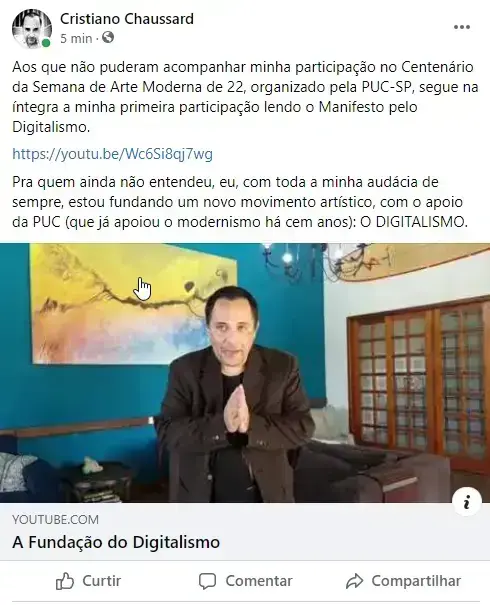
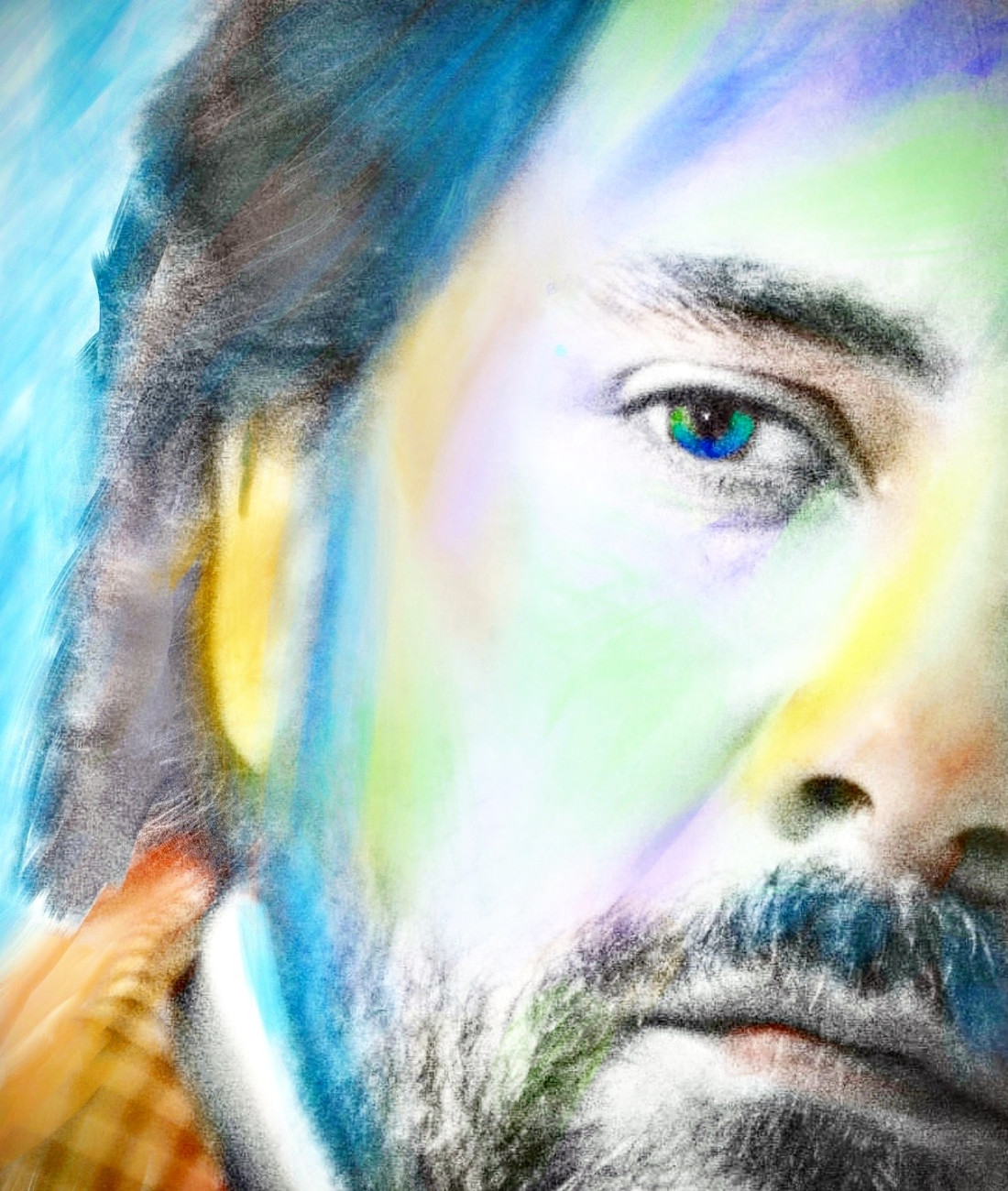
Brazilian visual artist Cristiano Chaussard has built a distinctive trajectory in contemporary art by treating technology not as an effect, but as a constituent part of creation. Founder of Digitalism, a movement advocating freedom between physical and digital media, he brings together digital painting, collage, photography, fine-art printing, artificial intelligence, animation, augmented reality, three-dimensional environments and audio description.
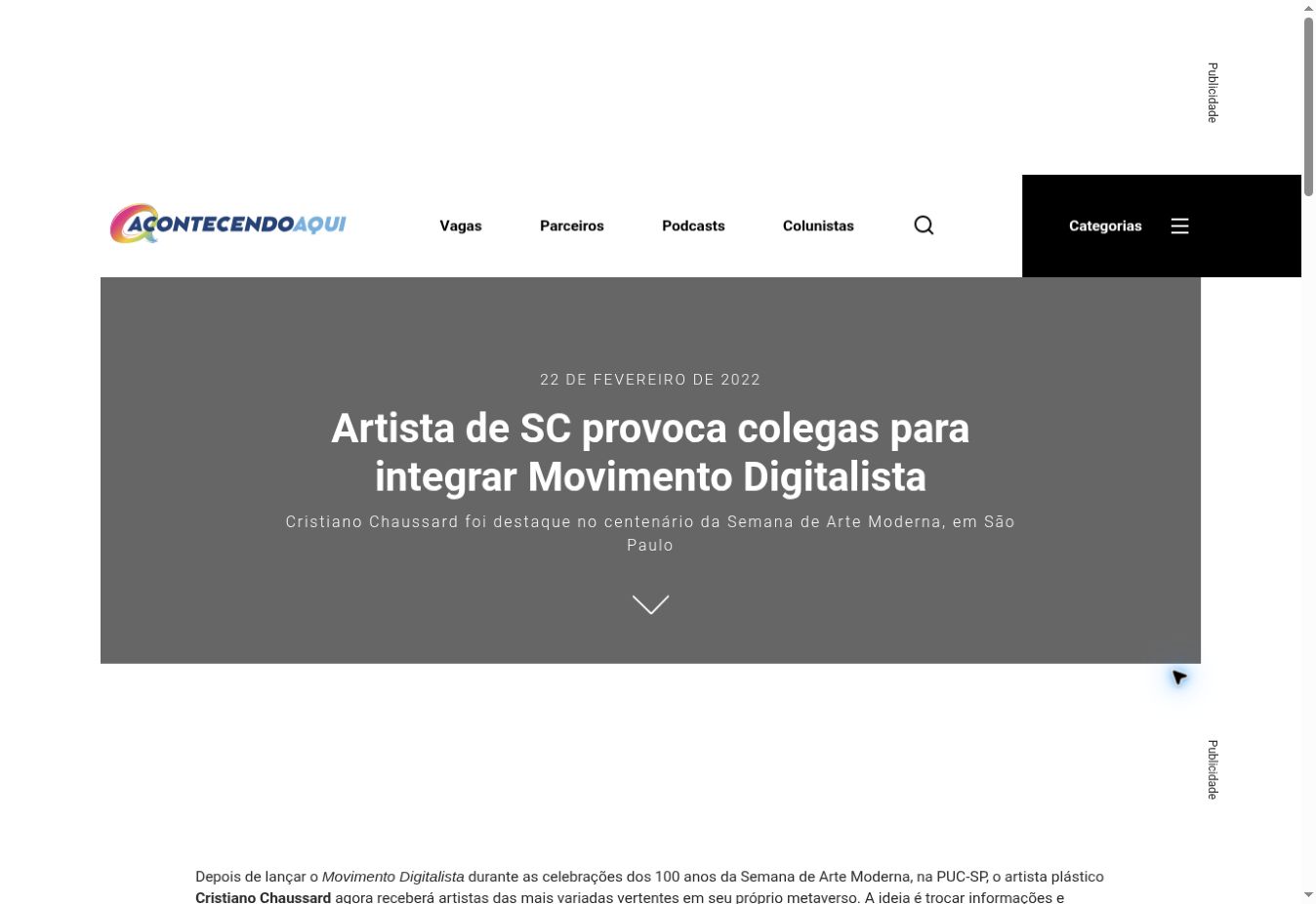
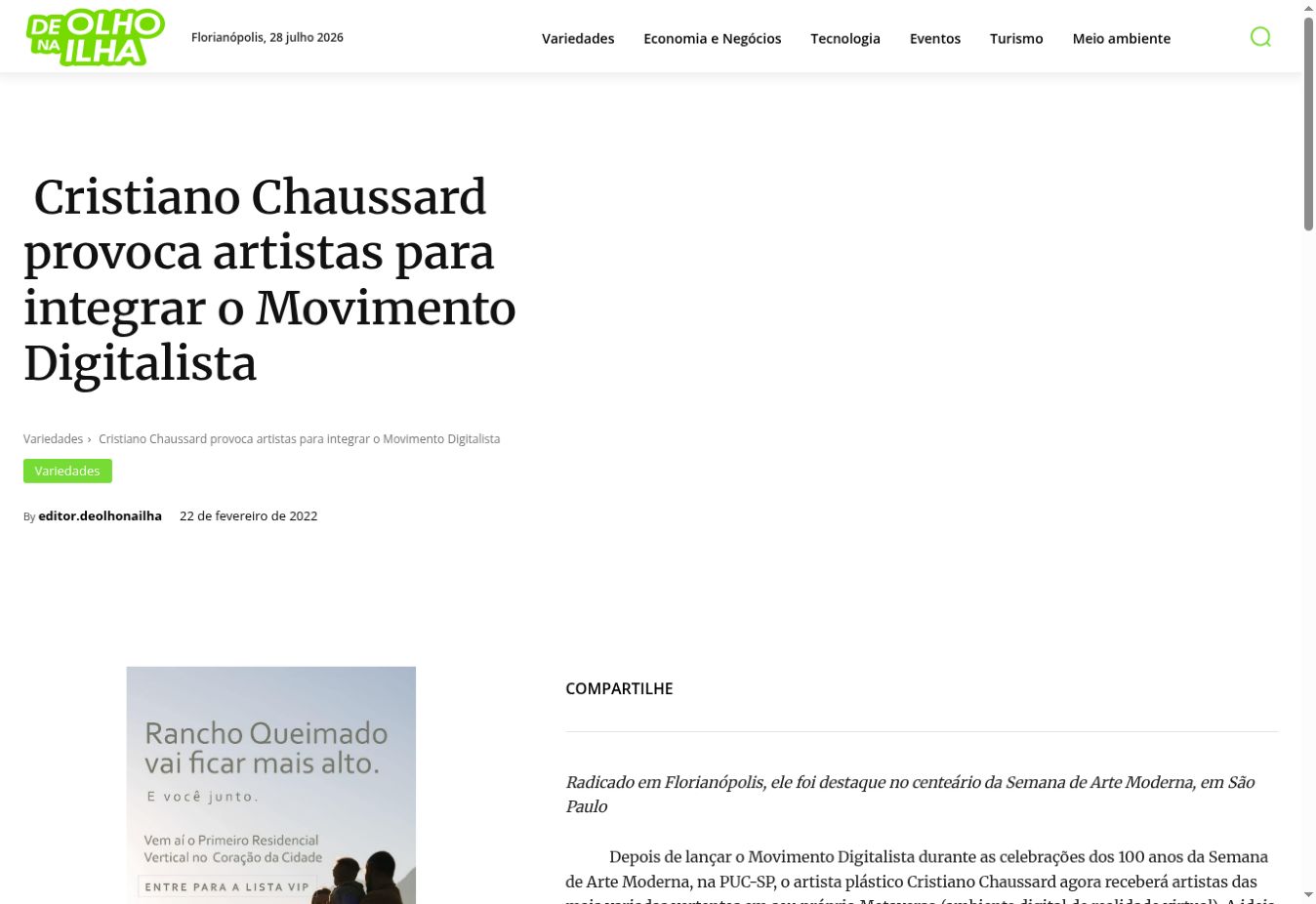
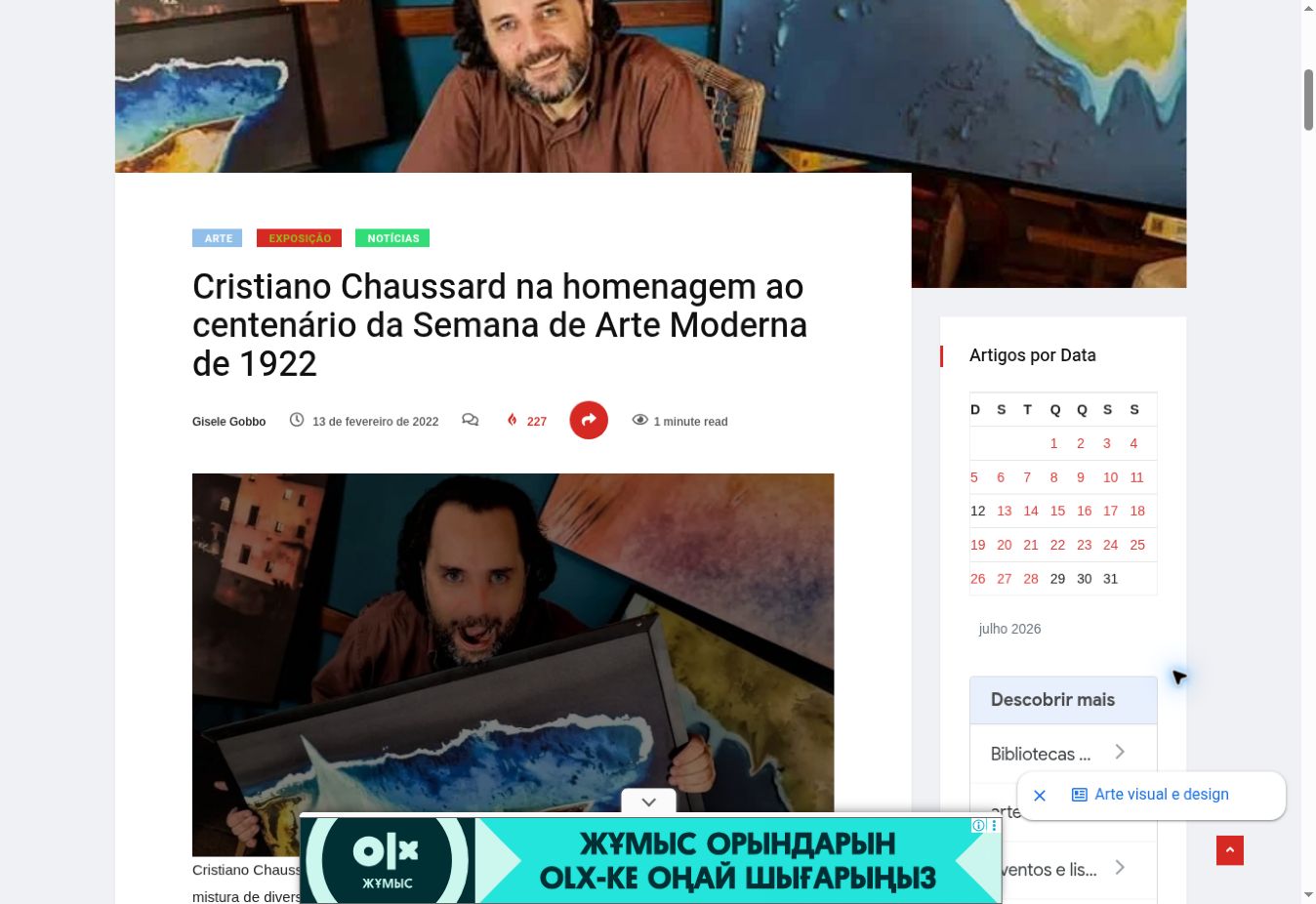
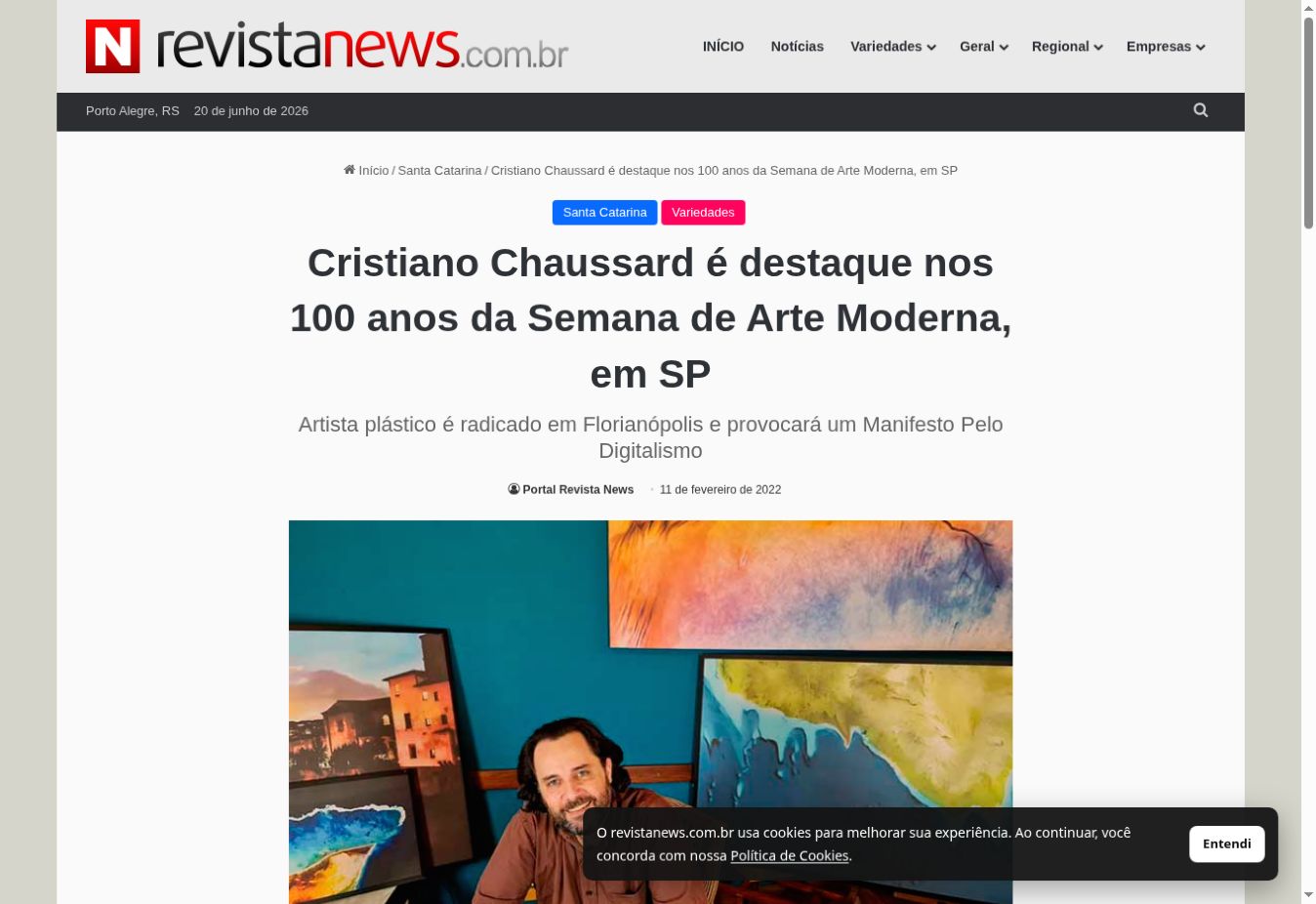
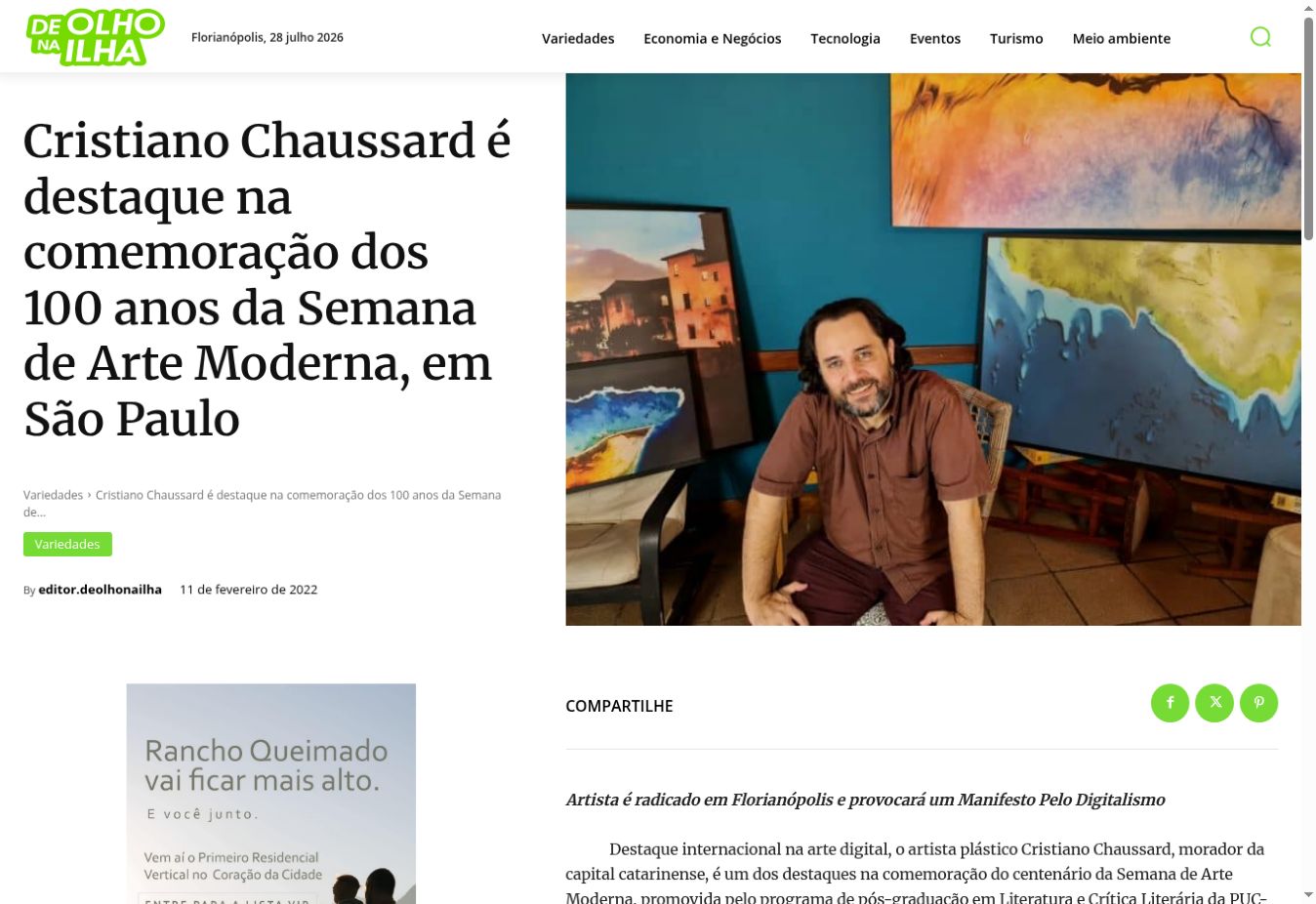
The movement gained public attention in February 2022 during the centenary programme of Brazil’s Modern Art Week at PUC-SP. Chaussard presented the Manifesto for Digitalism and invited artists working in different languages to understand the digital age as medium, support and environment — without rejecting matter, tradition or art history.
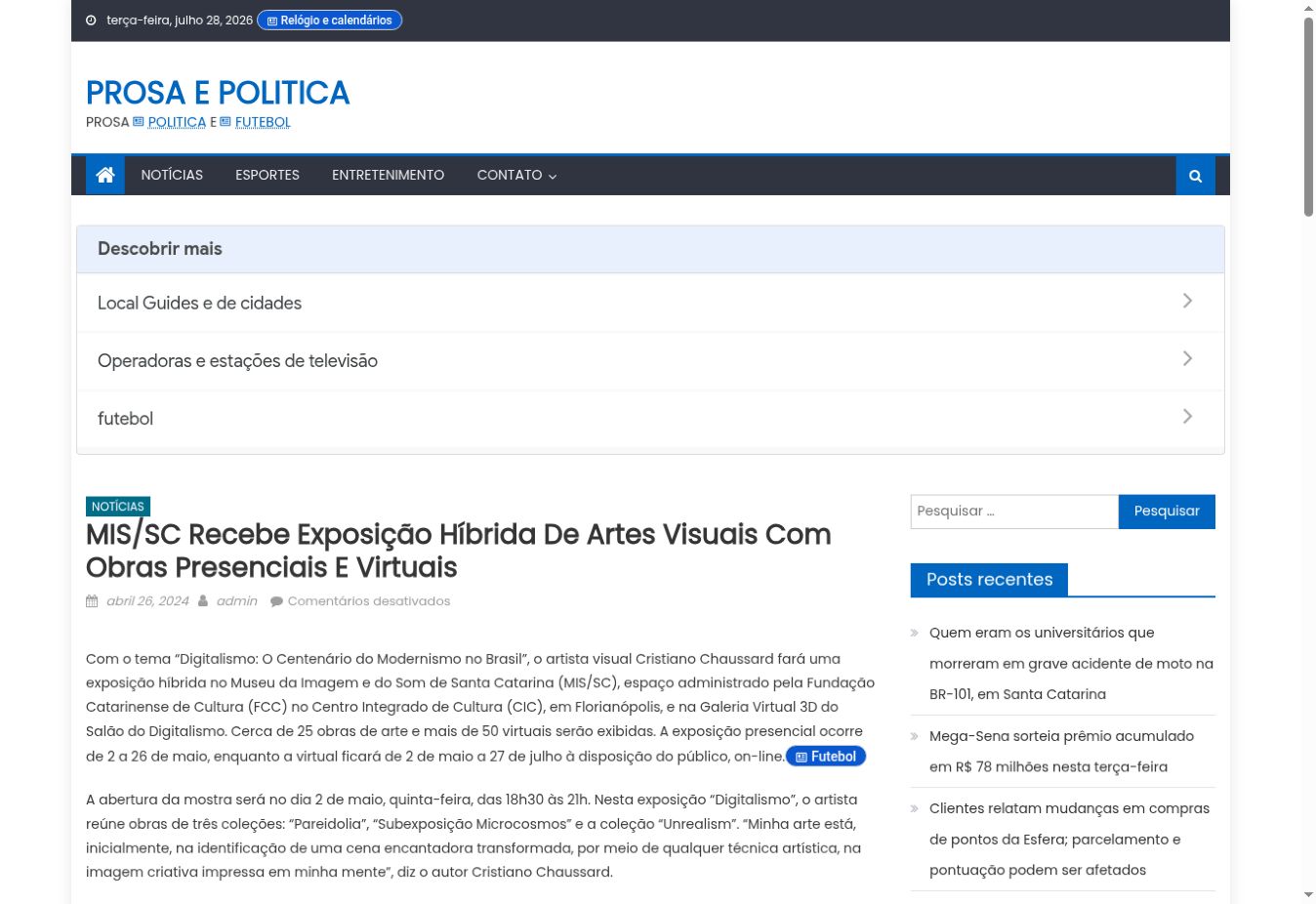
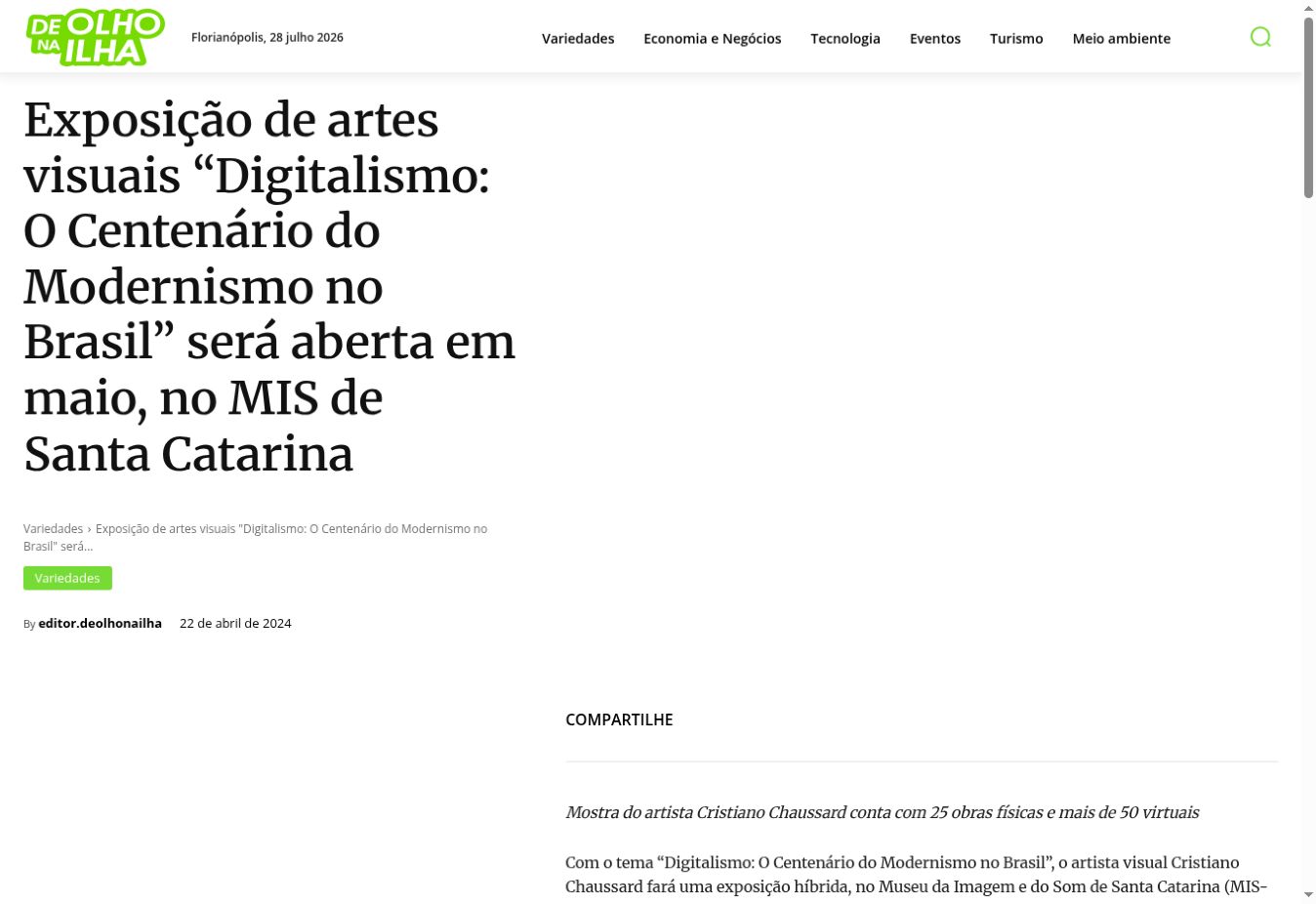
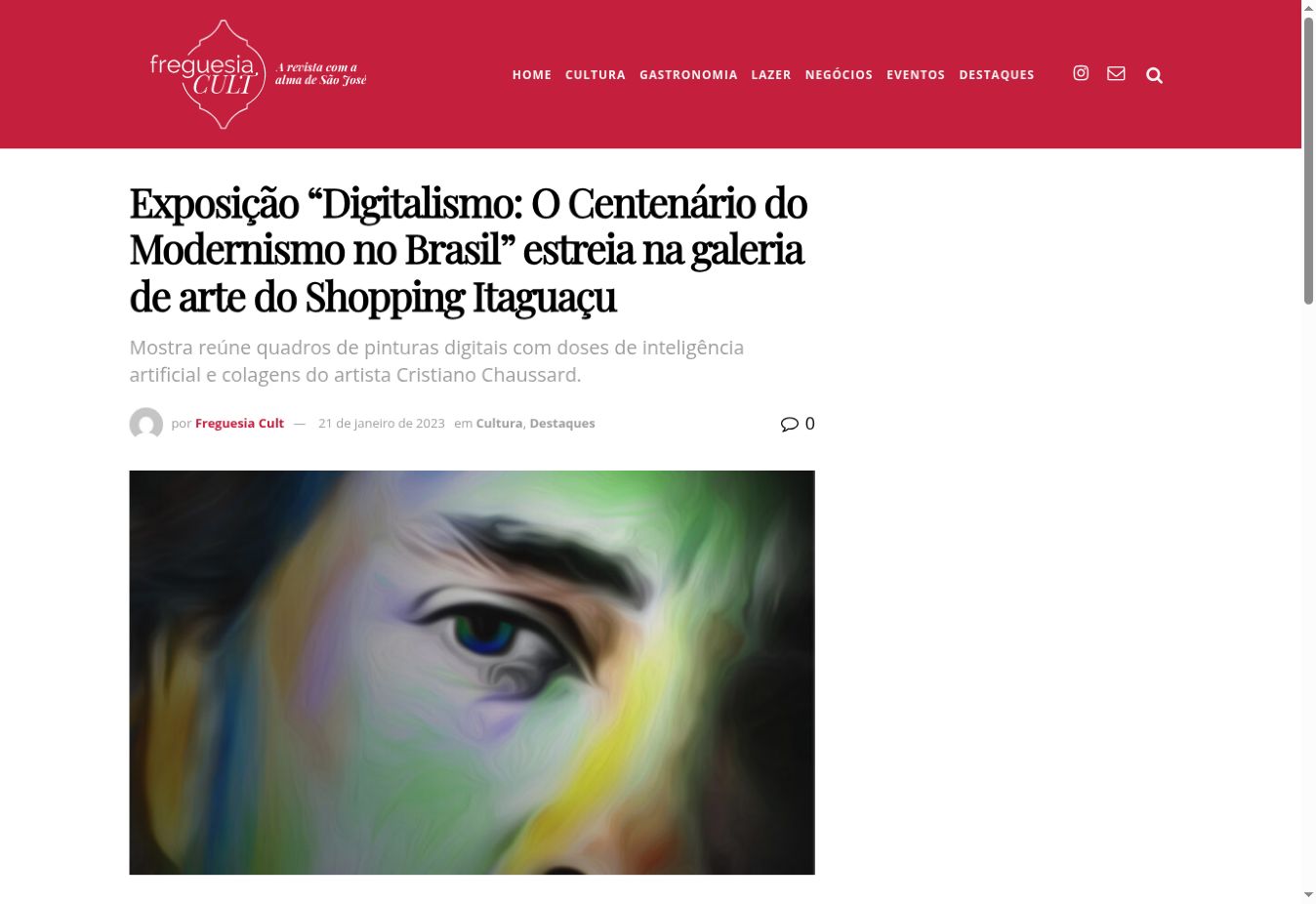
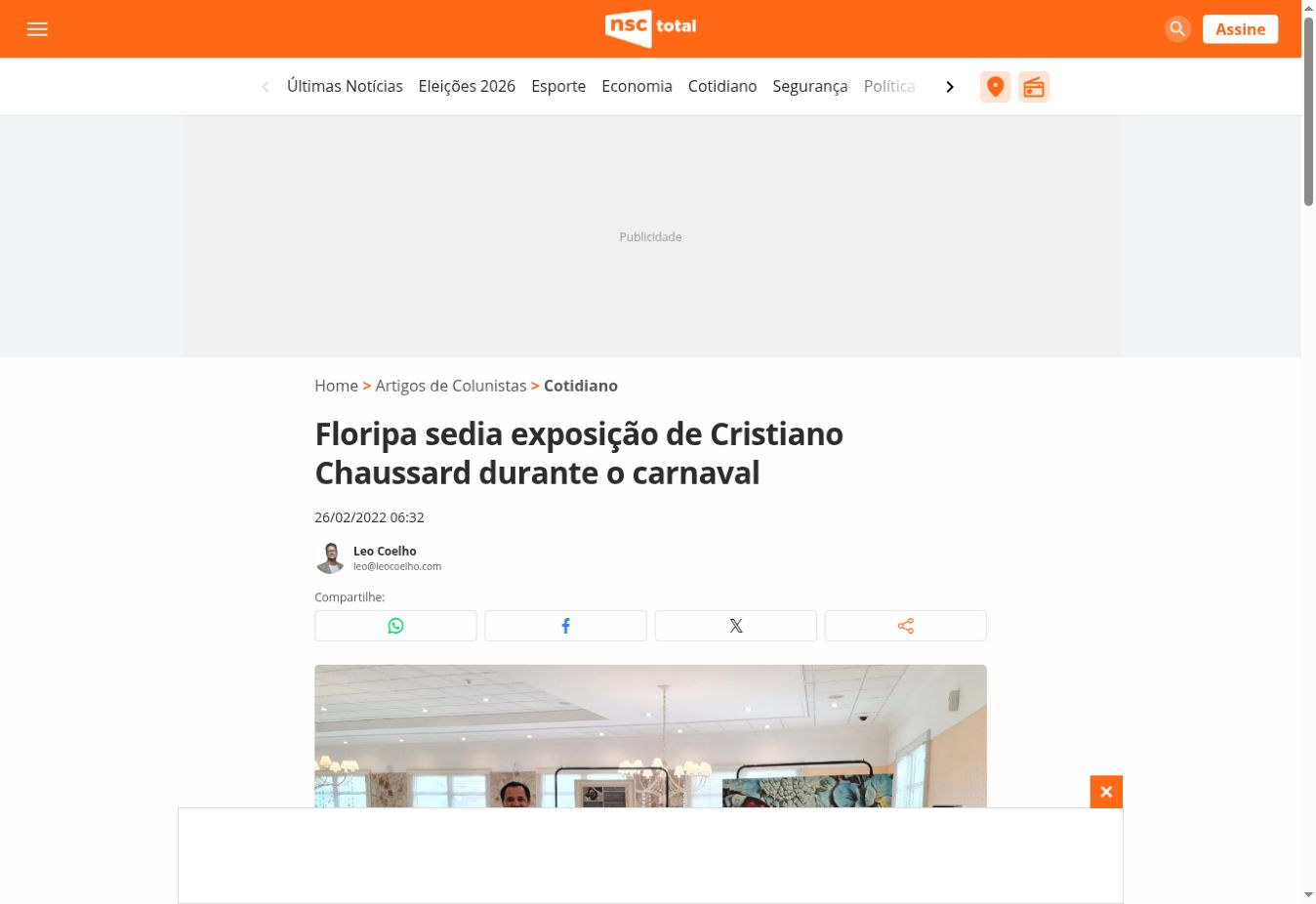
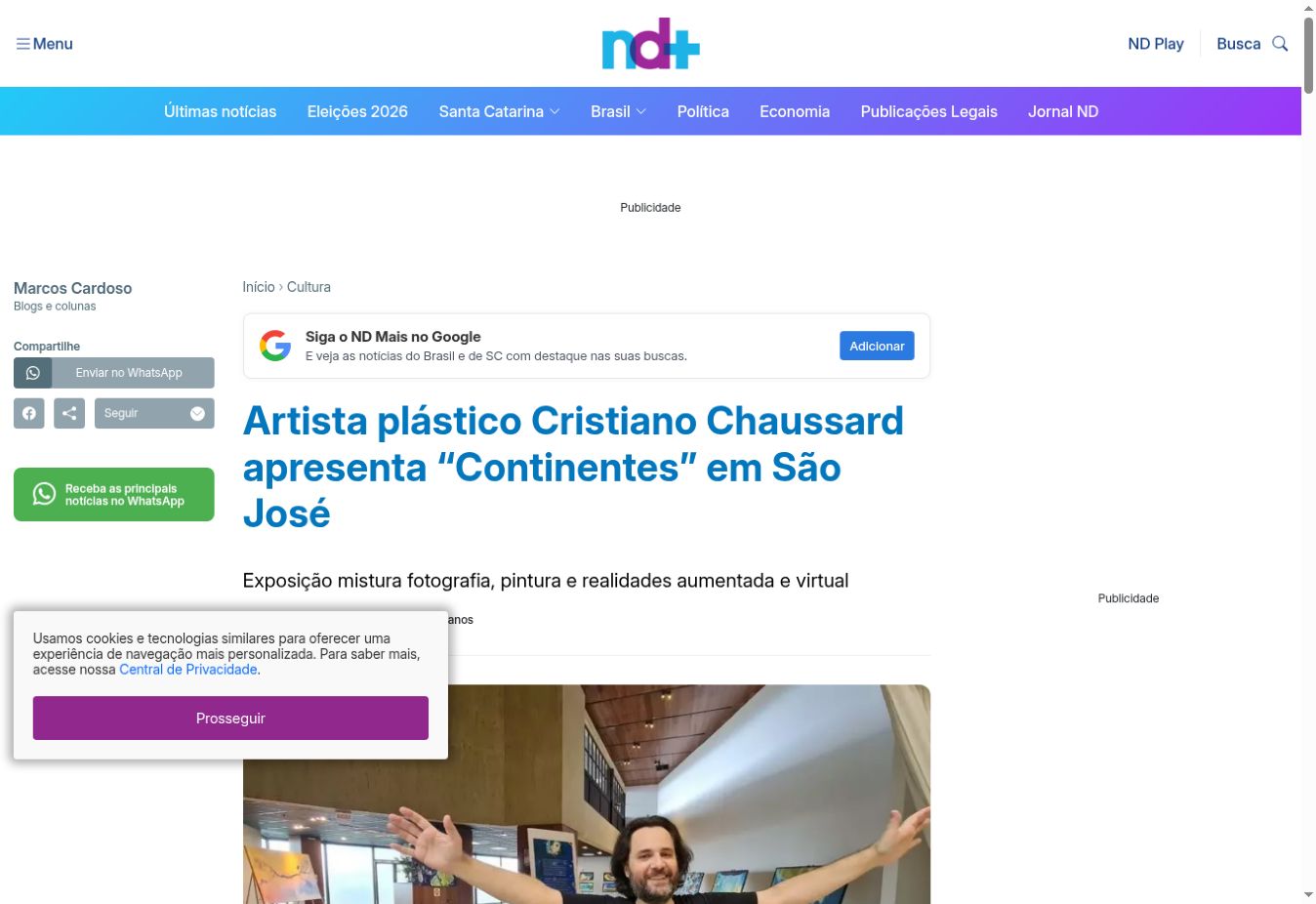
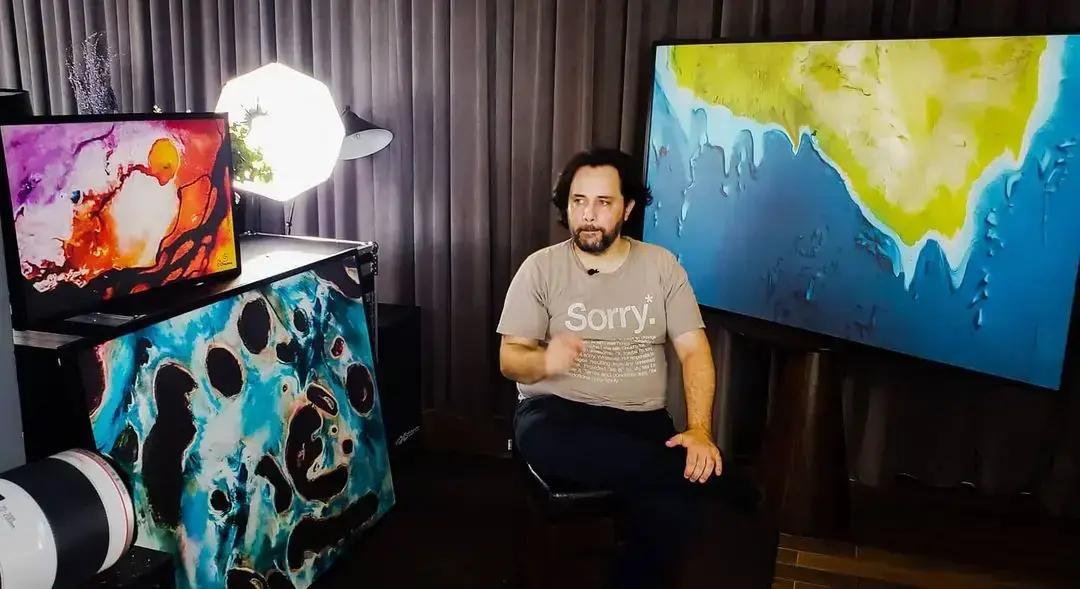
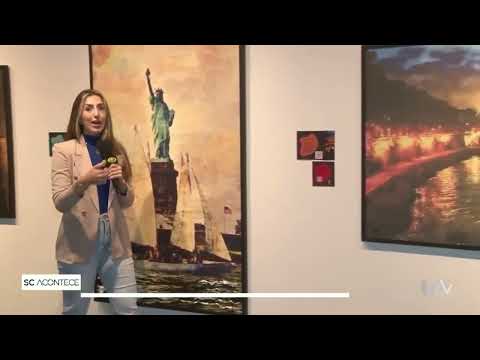
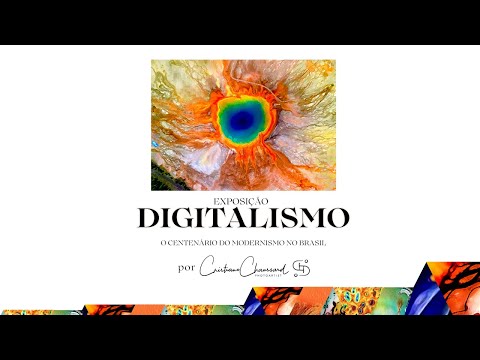
Two years later, “Digitalism: The Centenary of Modernism in Brazil” occupied the Santa Catarina Museum of Image and Sound in Florianópolis. The exhibition combined physical and virtual works, augmented reality, a 3D gallery and audio description, allowing the work to exist on a wall, a screen, in virtual space and through different forms of access.
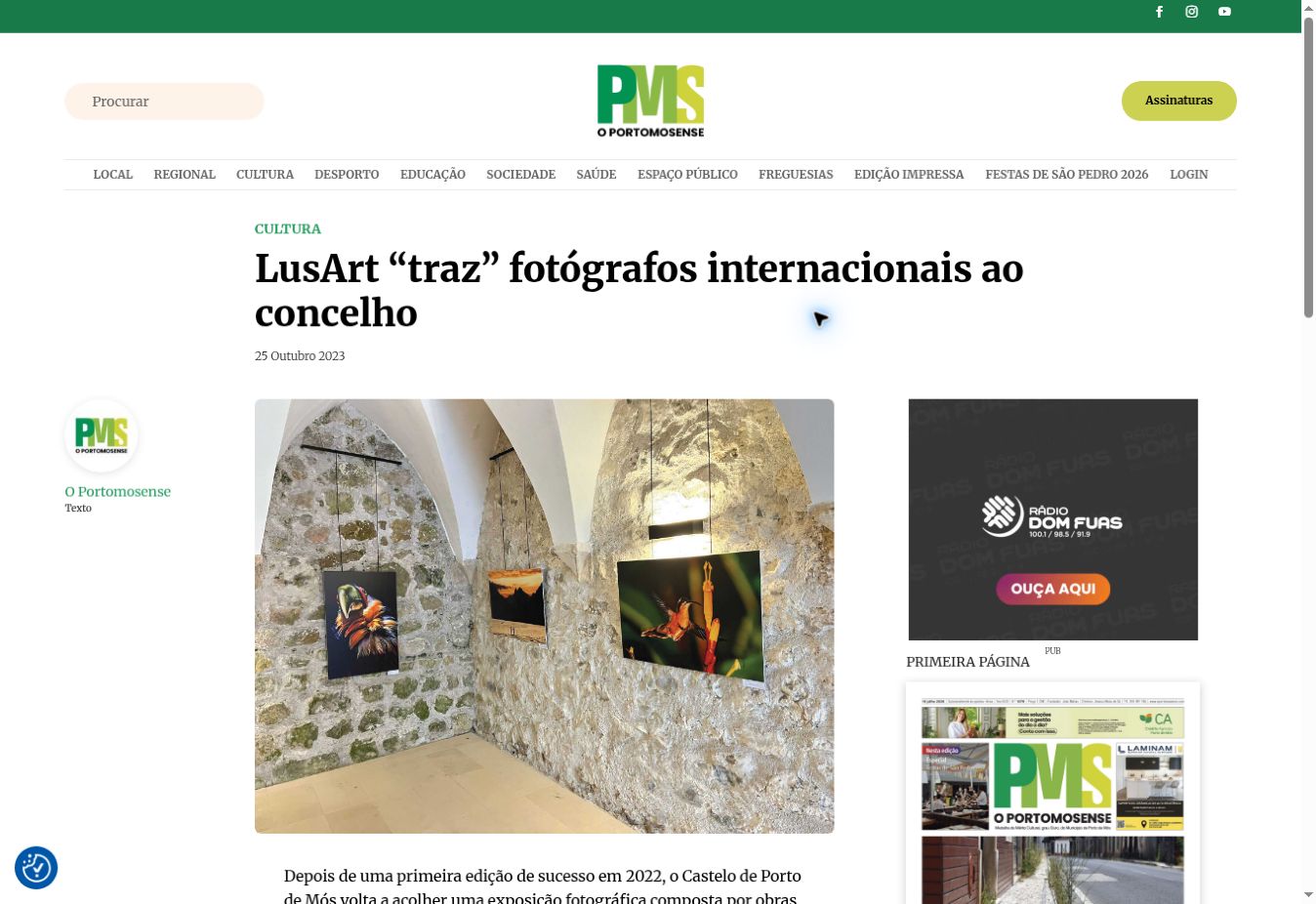
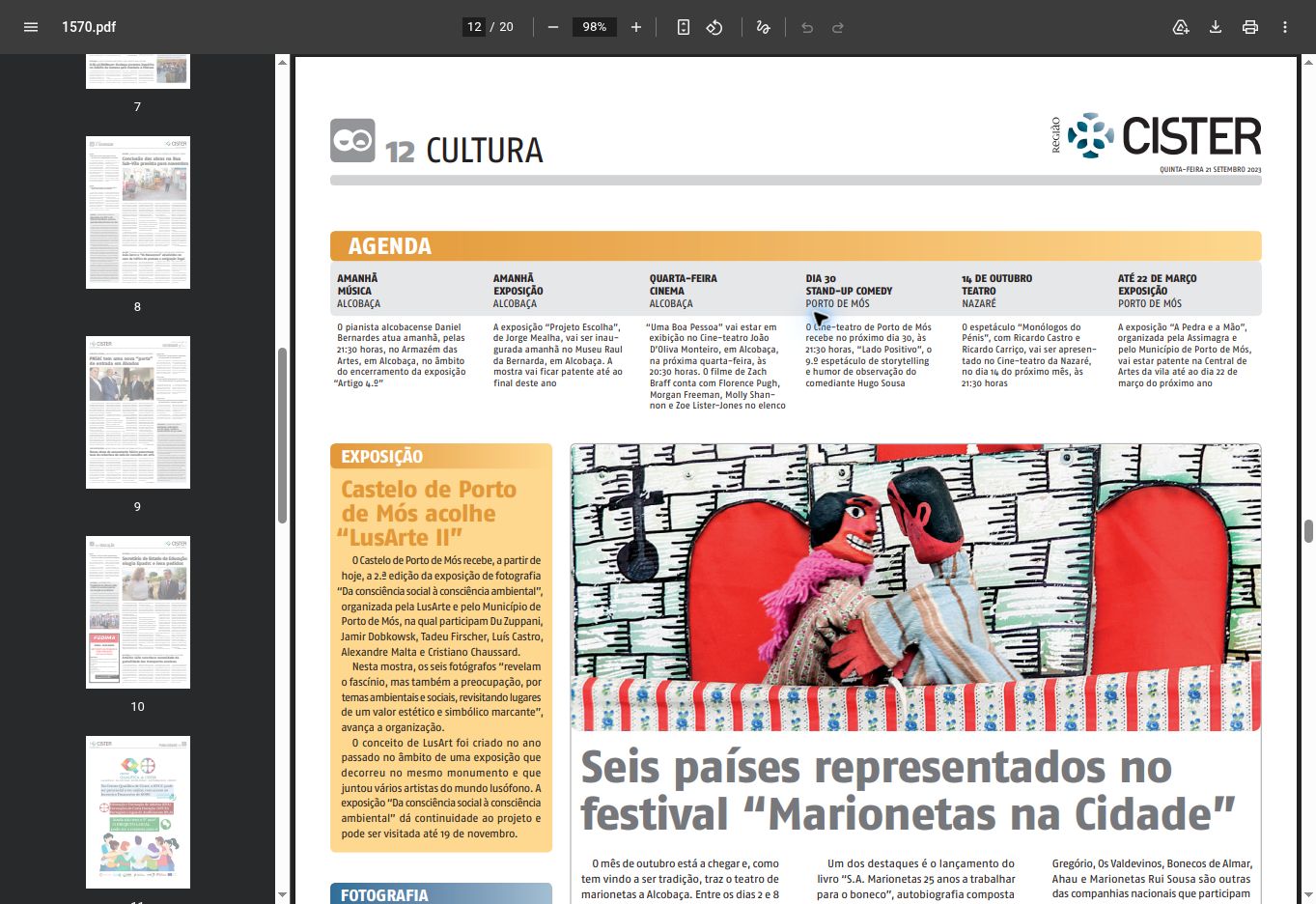
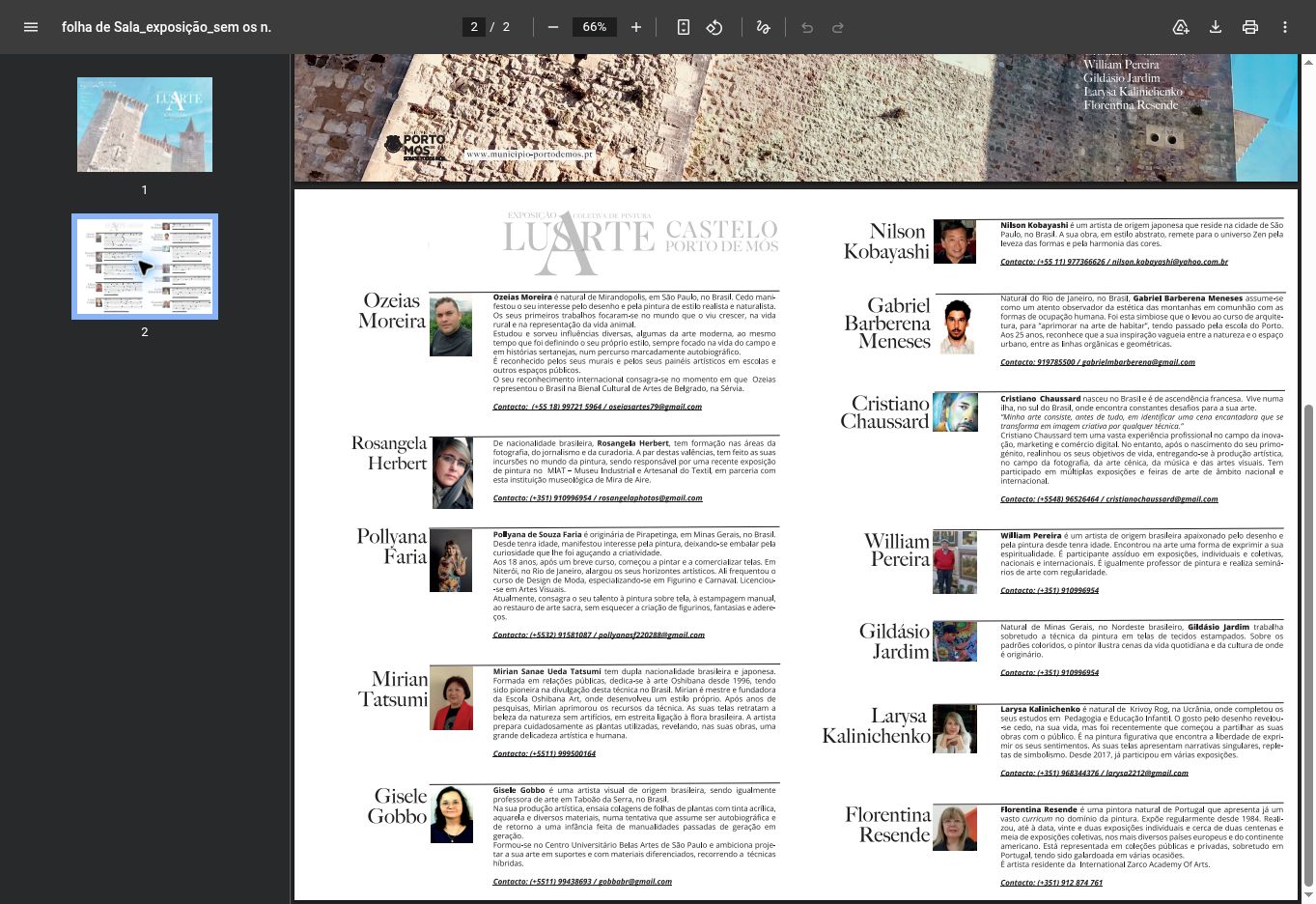
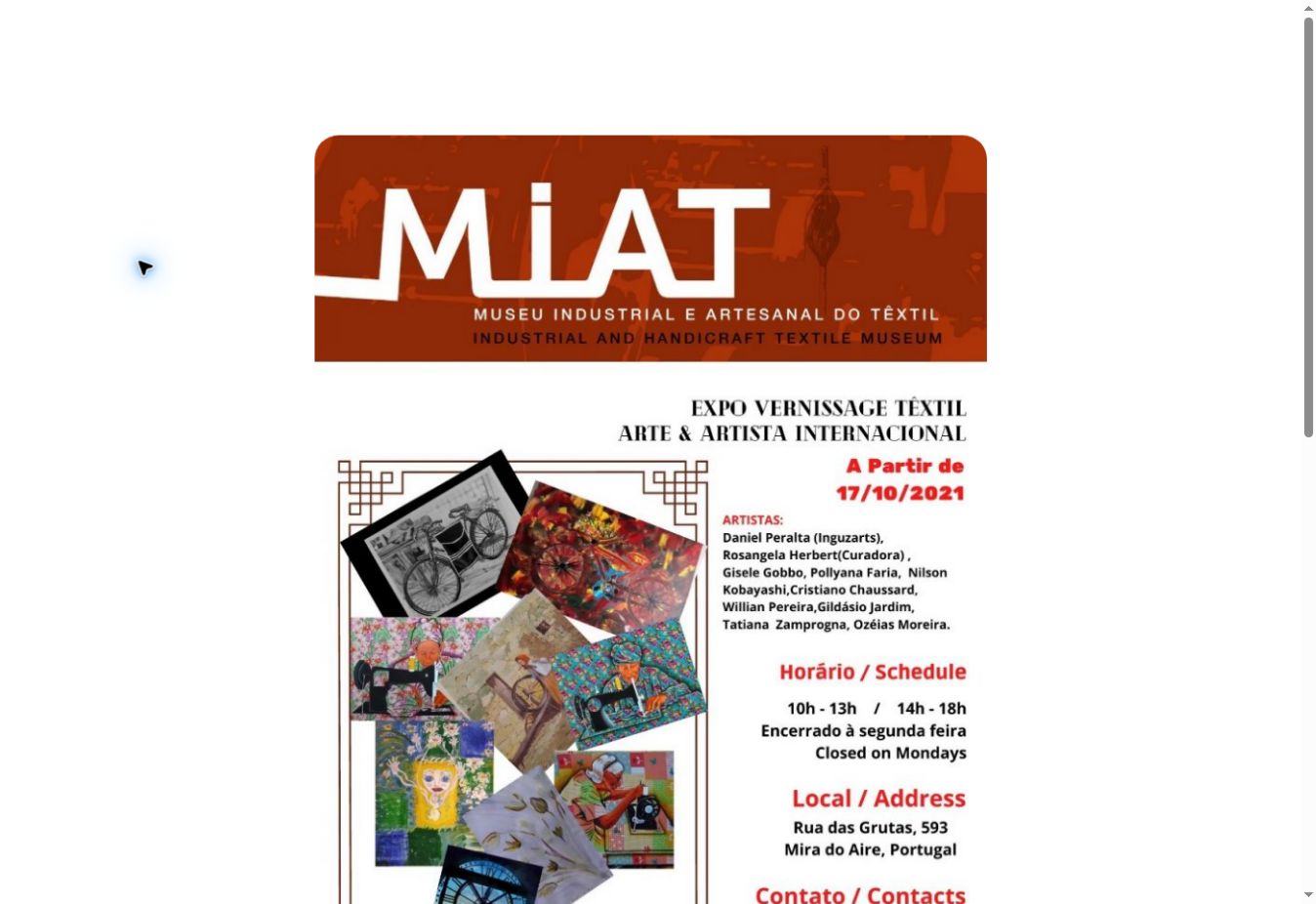
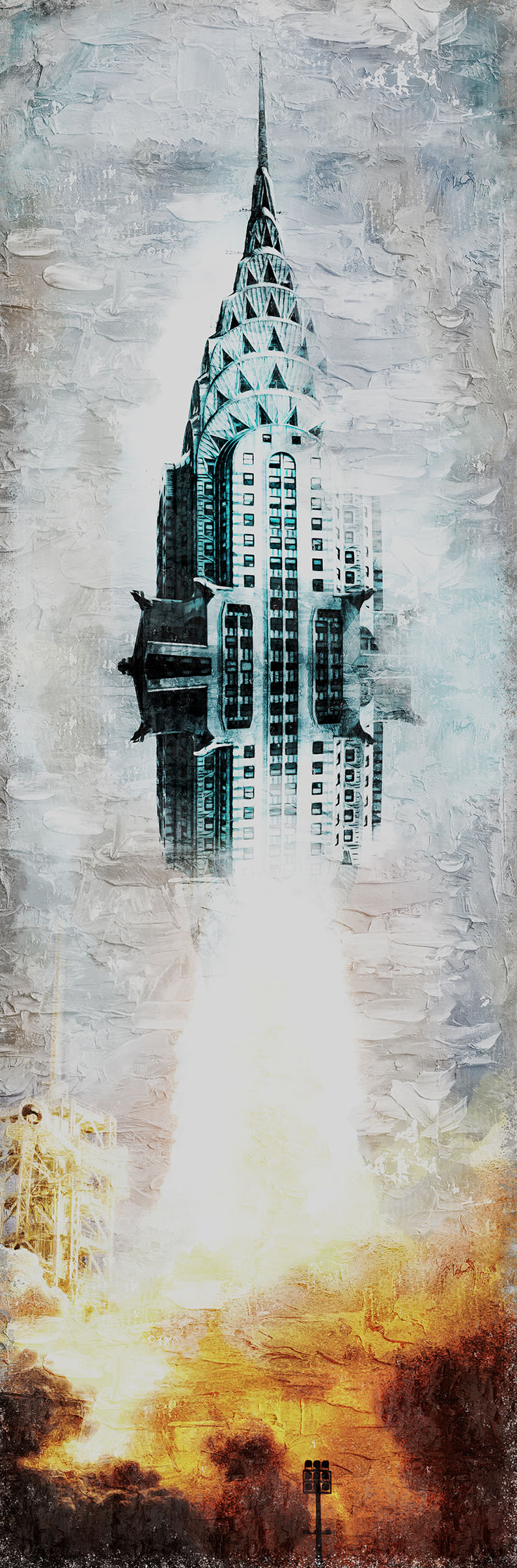
His international trajectory is now also documented by sources published outside Brazil. In Portugal, O Portomosense and Região de Cister recorded his participation in LusArt II at Porto de Mós Castle; the municipality published an official exhibition catalogue with his biography; and MIAT included Chaussard in its International Textile Art exhibition. In the Caribbean, TCI Weekly News cited “Chrysler Rocket” leading the Digital Art category of the 2021 Global Art Awards, with 2,473 votes at that point. These records complement his appearances in circuits such as Shanghai and Dubai and his presence on Saatchi Art, Artsper and VosArtistes.
During a critical period in the health of his son Theo, creation became a means of emotional survival and generated hundreds of images. “Art saved my soul,” Chaussard says. The experience helps explain the intensity with which fear, matter, memory and technology are transformed into visual language without reducing the work to autobiography.
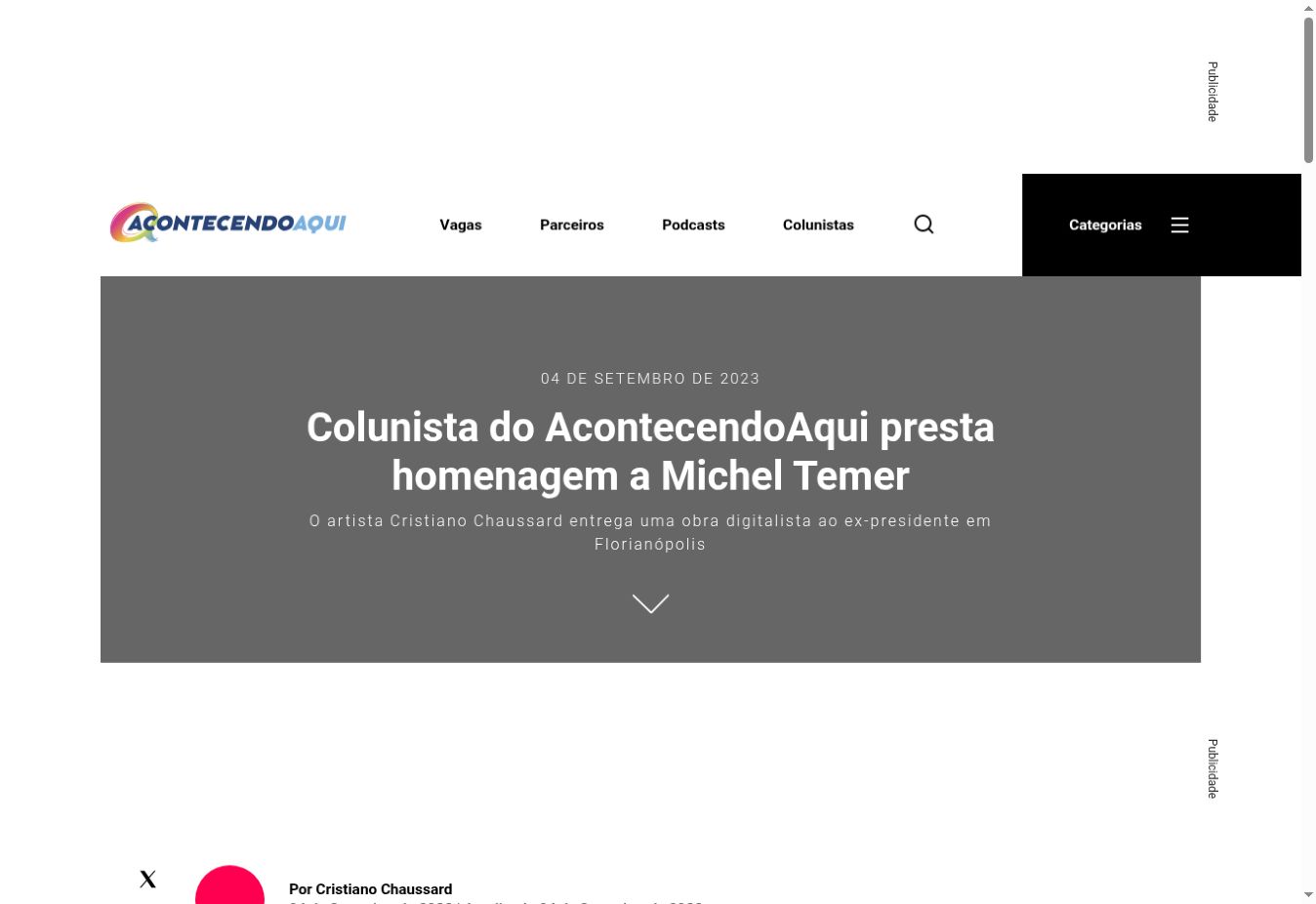
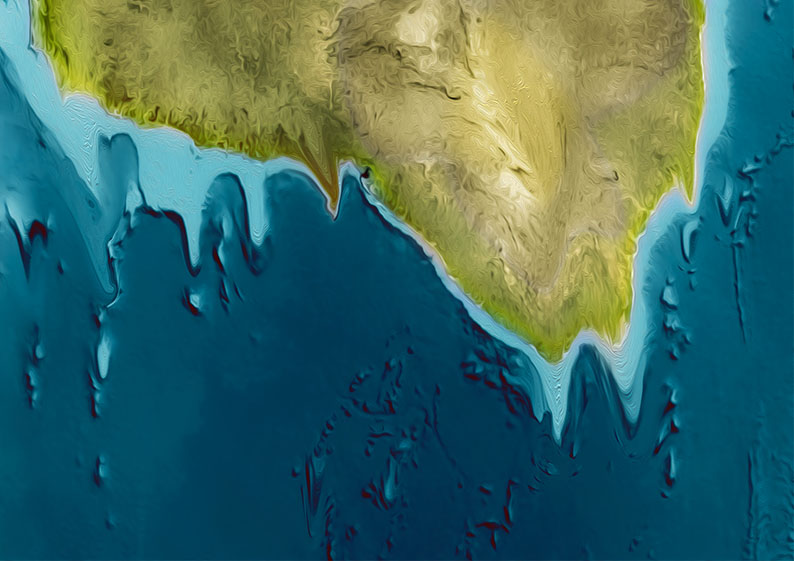
His emblematic work “Melting Tordesilhas” begins with satellite imagery of the Brazilian coast and reorganises territory as a sensitive cartography. One edition was presented to former Brazilian president Michel Temer. The piece exemplifies a recurring method: finding a form in the world, shifting it technically and returning it to the public open to new interpretations.
His election to the Brazilian Academy of Fine Arts brings a new institutional dimension to this trajectory: connecting legacy and future, bringing Brazilian culture closer to technological change and showing that artistic innovation expands history rather than abandoning it.
Chaussard does not turn exhibitions into demonstrations of tools. Technology disappears inside the experience so that the public first encounters the image, the emotion and the question. Digitalism occupies this contemporary territory, where physical and digital realities no longer exist apart.